MOQ for Private Label Shampoo: What Brands Should Know Before Their First Order
Why shampoo MOQs vary so widely, what actually drives the minimum (it is usually packaging, not formula), and four proven ways to lower your first order without killing margins.
Key Takeaways
- Packaging, not formula, usually sets your MOQ.
- There are three separate minimums in play: bulk formula, packaging components, and filling run.
- The cheapest way to start is stock formula + standard bottle + custom label.
- MOQ is negotiable when you reduce changeovers, not when you simply ask for a discount.
- Always model your landed cost per unit, never just the ex-works price.
"Why is the MOQ 5,000 when I only want 500 to test the market?" It is one of the first questions every new shampoo brand asks — and the answer is rarely about the shampoo.
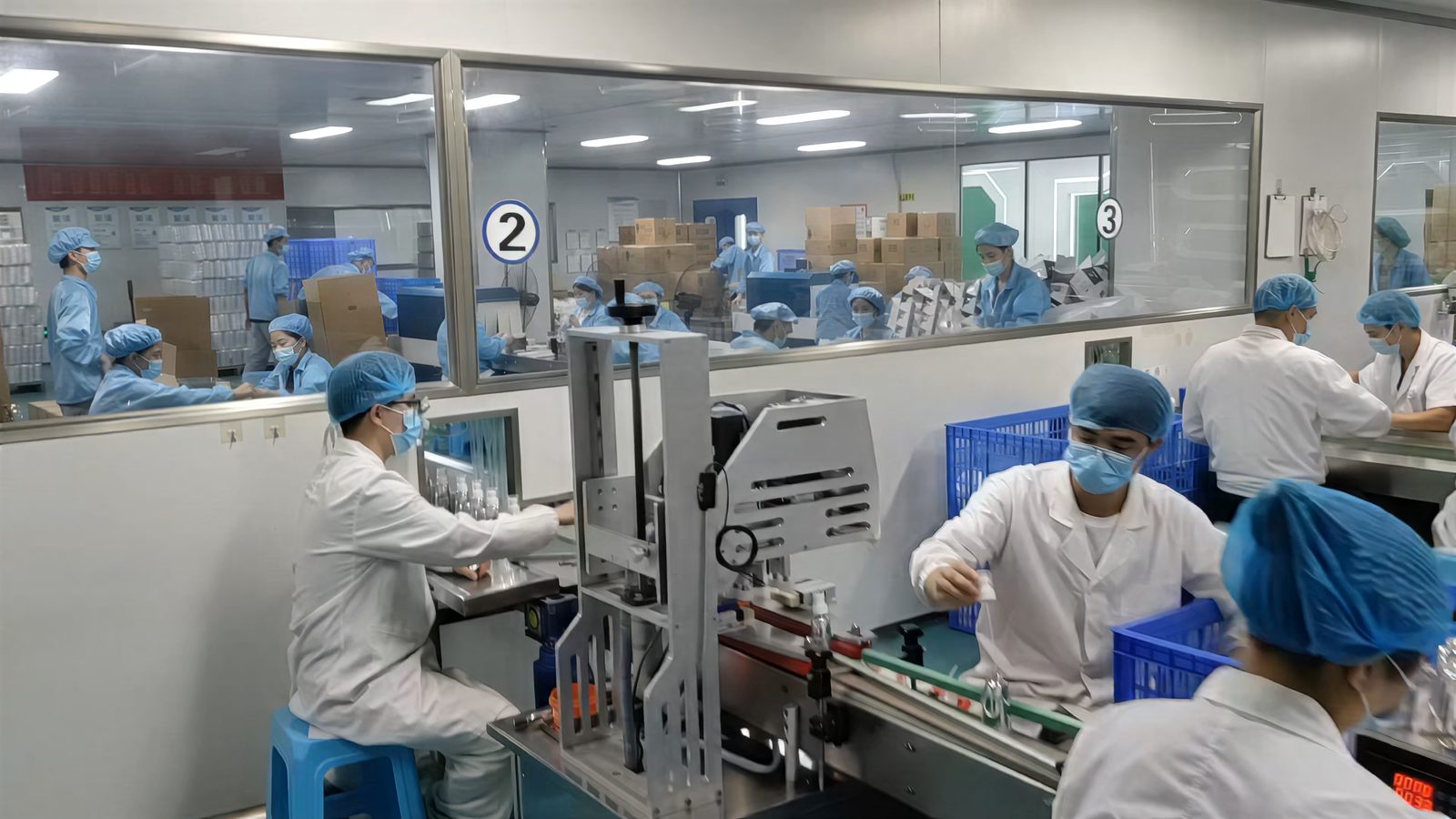
A filling line is not a kitchen. Every production run involves cleaning, calibration, line setup, quality checks and documentation. Below a certain batch size, the fixed cost of that setup is larger than the value of the product made. MOQ is the point where the run becomes economically sensible for the factory.
The three minimums nobody explains
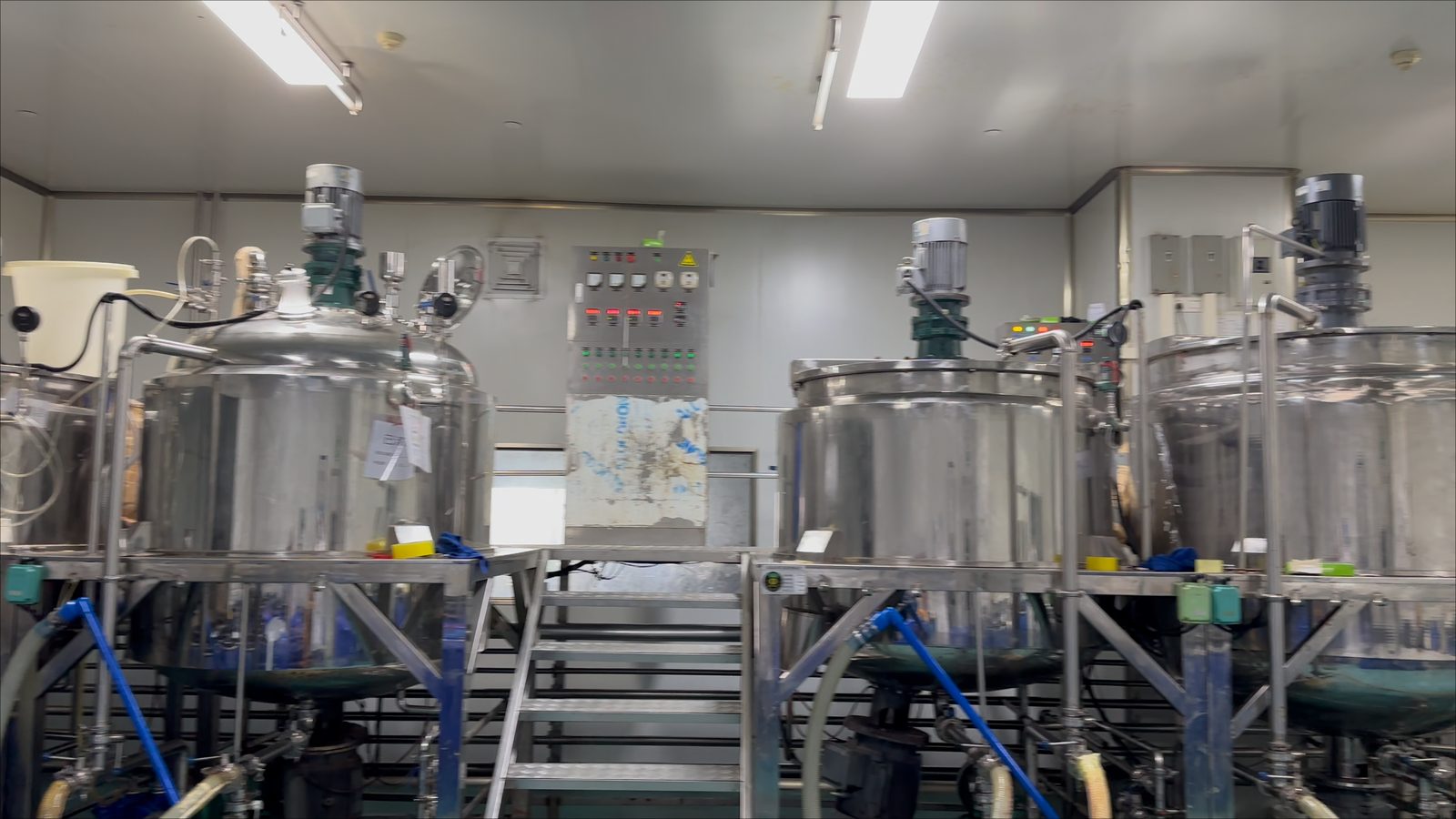
Most quotes bundle three different constraints into one number:
| Component | Typical driver | Typical range |
|---|---|---|
| Bulk formula | Batch tank size, ingredient purchasing | 200–1,000 kg |
| Packaging | Mould/tooling, supplier minimums | 5,000–20,000 pcs (custom) |
| Filling run | Line setup and changeover time | 1,000–5,000 pcs |
When a supplier quotes "MOQ 5,000 units", the binding constraint is usually the bottle or the filling run — not the liquid.
Typical MOQ ranges by route
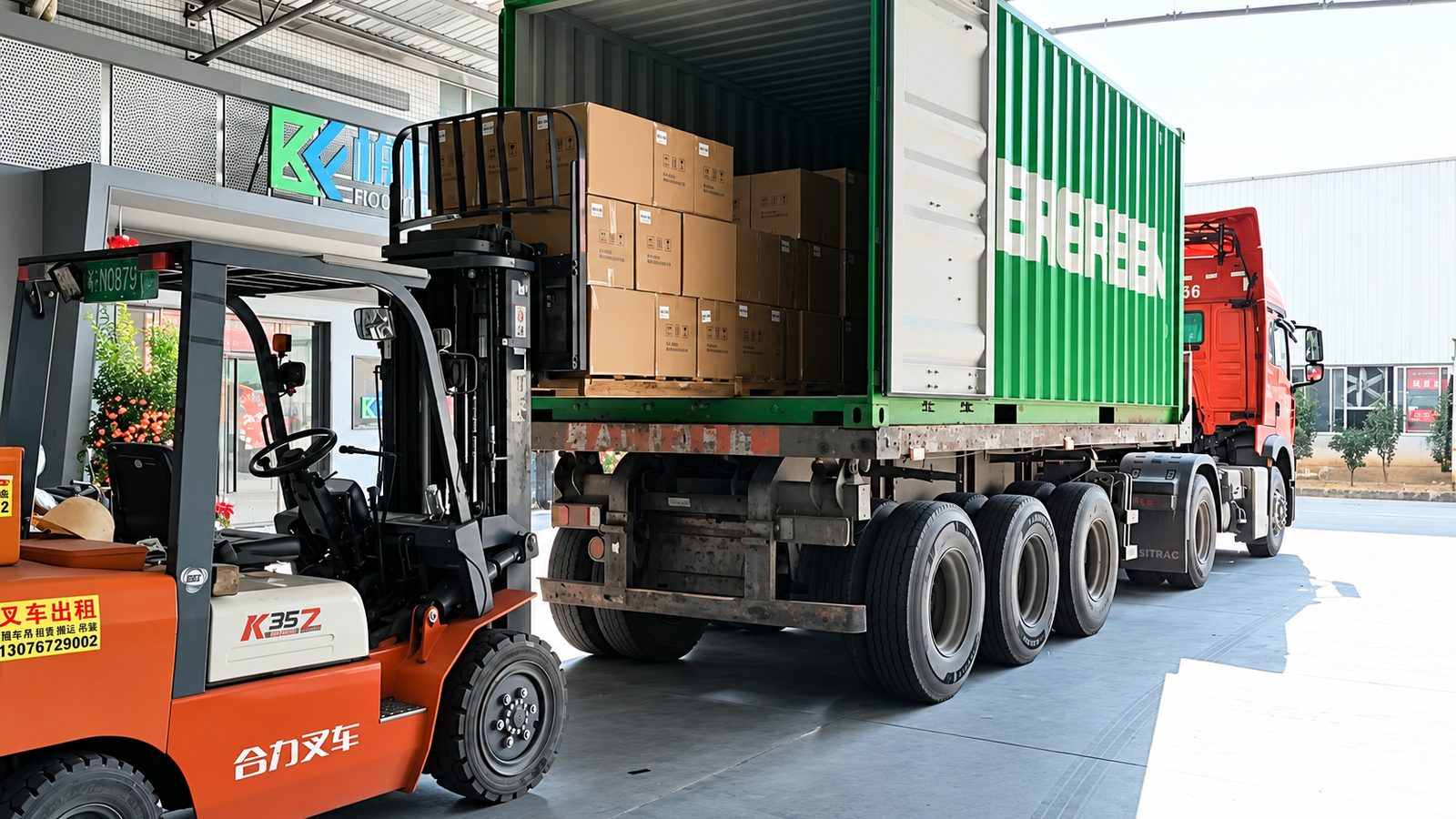
Four routes cover almost every private label shampoo project. The further you move from a stock formula and a stock bottle, the higher the minimum and the longer the lead time.
| Route | Typical MOQ | Lead time | Differentiation |
|---|---|---|---|
| Stock formula + stock bottle + custom label | 500–3,000 pcs | 2–4 weeks | Low |
| Stock formula + custom bottle | 5,000–10,000 pcs | 6–10 weeks | Medium |
| Custom formula + stock bottle | 3,000–5,000 pcs | 6–10 weeks | High |
| Custom formula + custom bottle | 10,000–20,000 pcs | 10–16 weeks | Highest |
Four ways to lower your first order
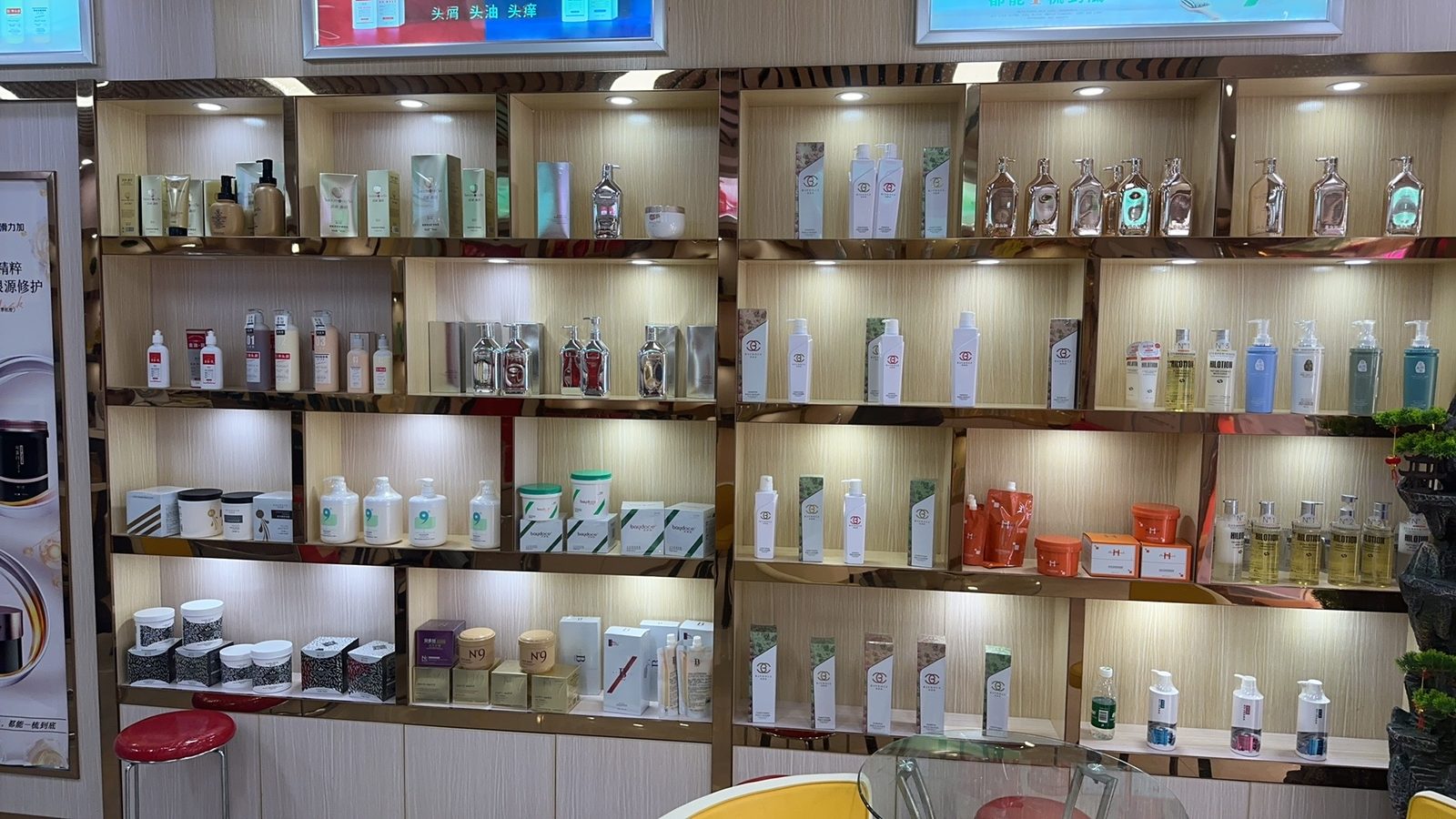
1. Use a standard bottle from the factory's existing moulds.
Tooling is the biggest single MOQ lever. Standard components remove it entirely.
2. Start with a stock formula and customise later.
Validate demand first. Once you know what sells, invest in a formula that is yours.
3. Accept a smaller shade range.
Three variants often means three filling runs. One shade for launch keeps volume per SKU down.
4. Consolidate sizes.
Launching 250 ml and 500 ml simultaneously doubles complexity. Start with one.
What MOQ means for your unit cost
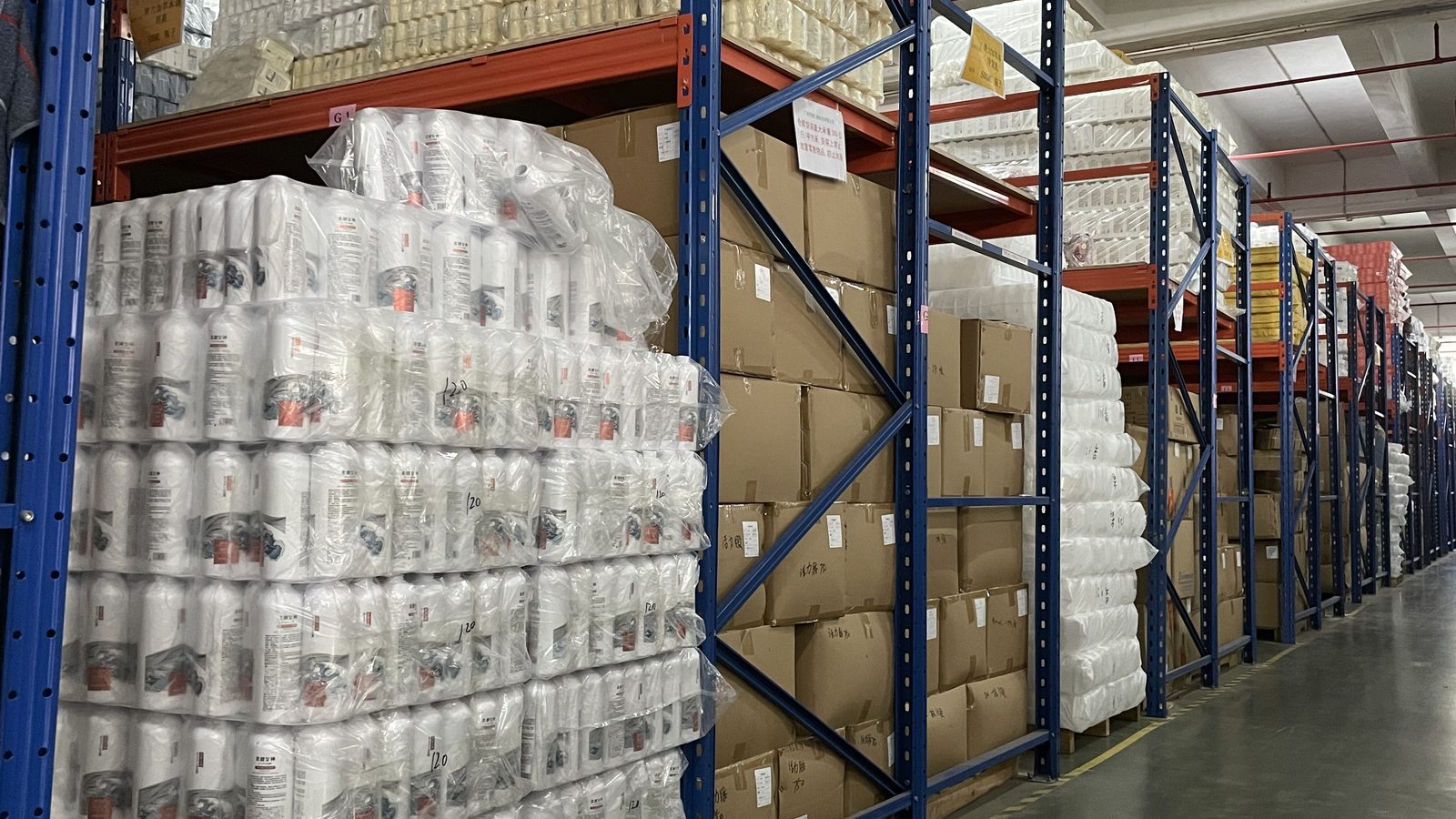
A useful rule of thumb: moving from 1,000 to 5,000 units typically reduces unit cost by 20–40%, because fixed setup, testing and documentation are spread over more bottles. Moving from 5,000 to 50,000 gives a much smaller additional saving.
That means the biggest cost jump happens early — and a slightly larger first order is often cheaper per unit than a small one, even after storage.
How to negotiate MOQ (the right way)
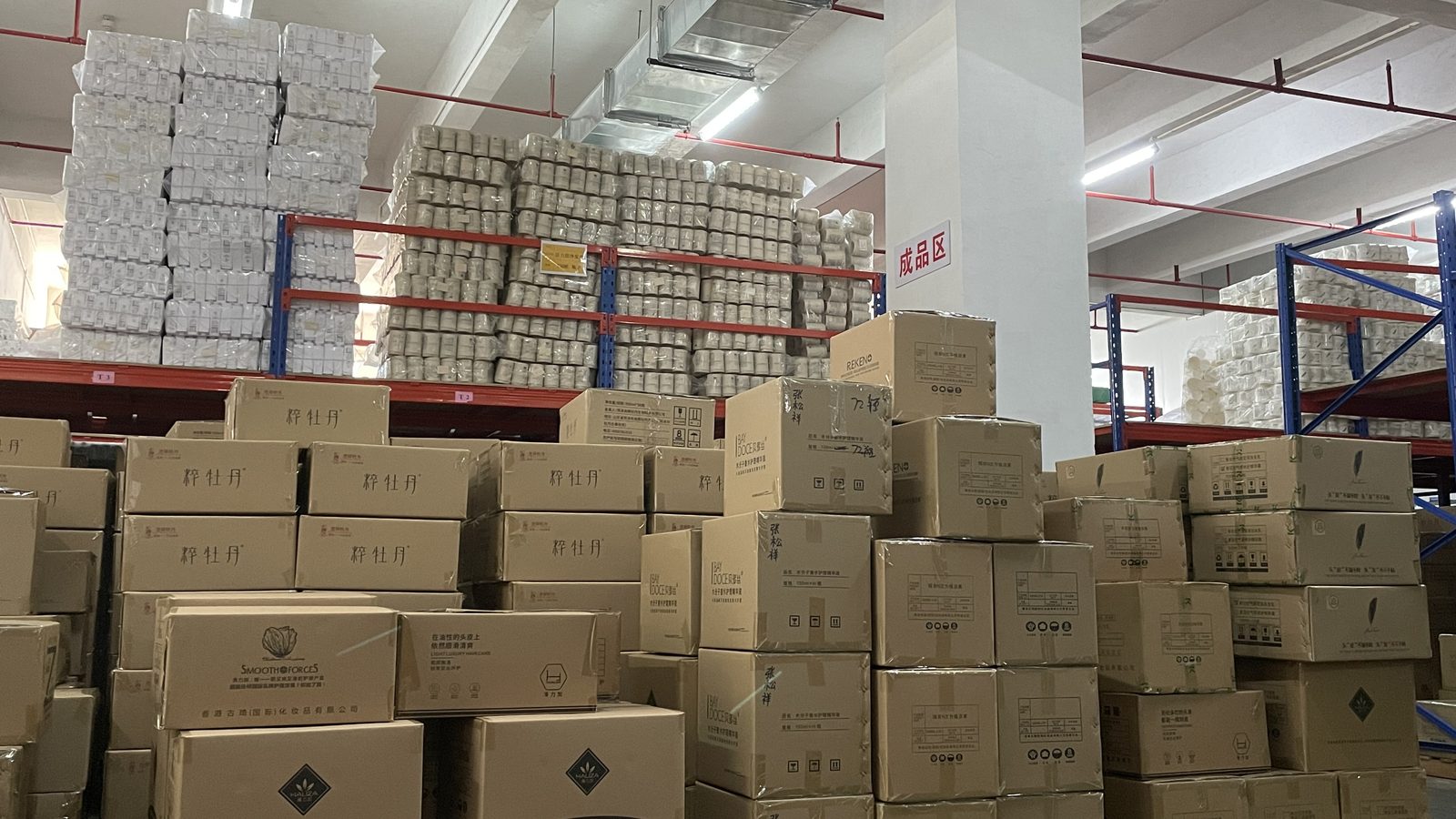
Do not simply ask for a lower number. Instead, remove the reasons the minimum exists:
- "If I use your standard bottle, what is the MOQ?"
- "Can my run be scheduled right after another production of the same base?"
- "If I pay a small setup premium, can we do 2,000 instead of 5,000?"
- "Can I place a 2,000 + 3,000 split order against the same formula approval?"
Suppliers that control formulation, filling and packing in-house — such as Guangzhou Keli Biotechnology, which runs its own shampoo and hair mask production — have far more room to say yes to these requests than trading companies that must renegotiate with third parties.
Questions to ask before you sign
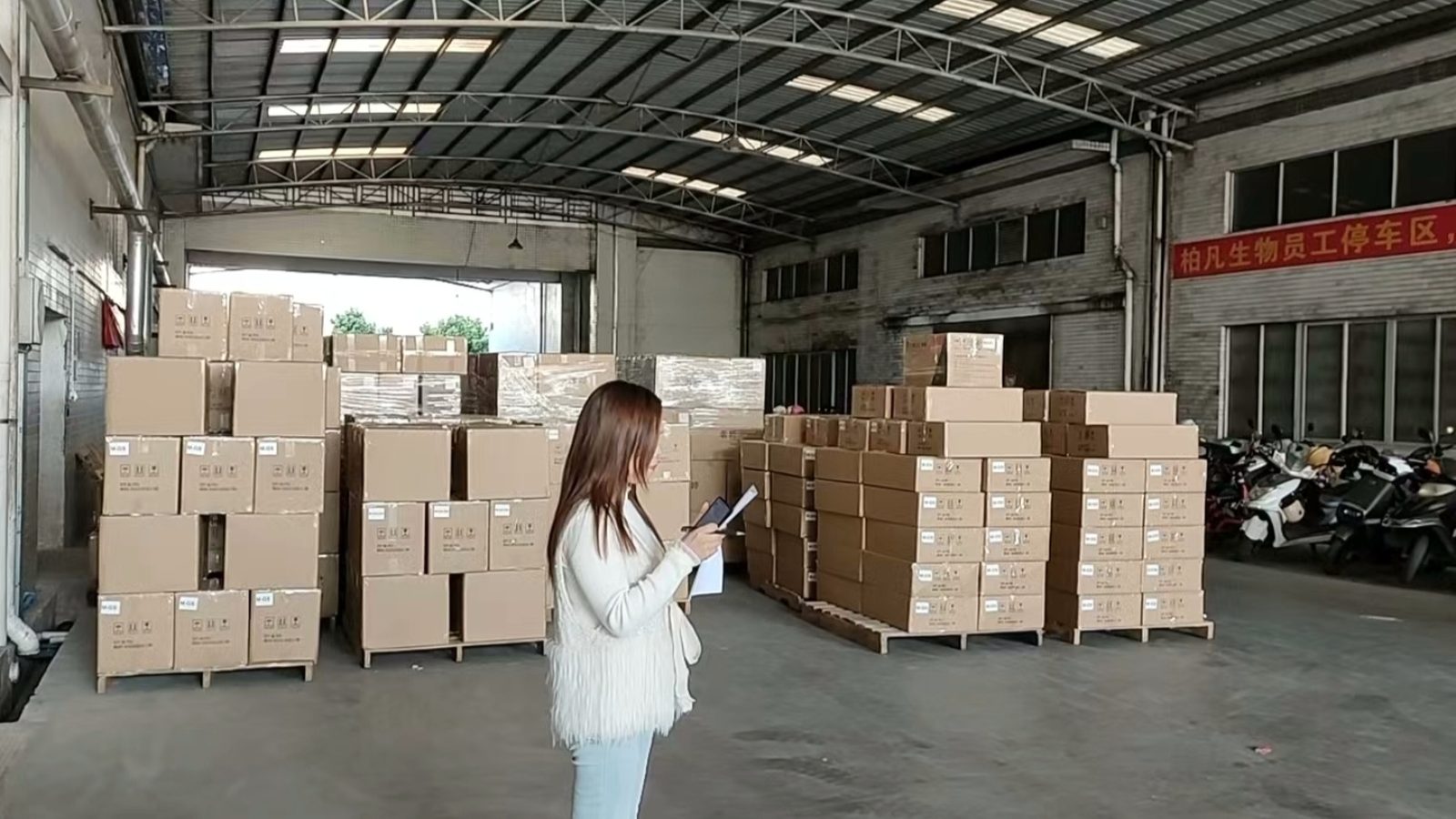
- Is the MOQ per SKU or per total order?
- Does the MOQ apply to the first order only, or to every reorder?
- What happens to leftover components if I do not reorder?
- Are samples, stability testing and documentation included or extra?
- Can I see the unit price at 1×, 3× and 10× the MOQ?
About the contributor
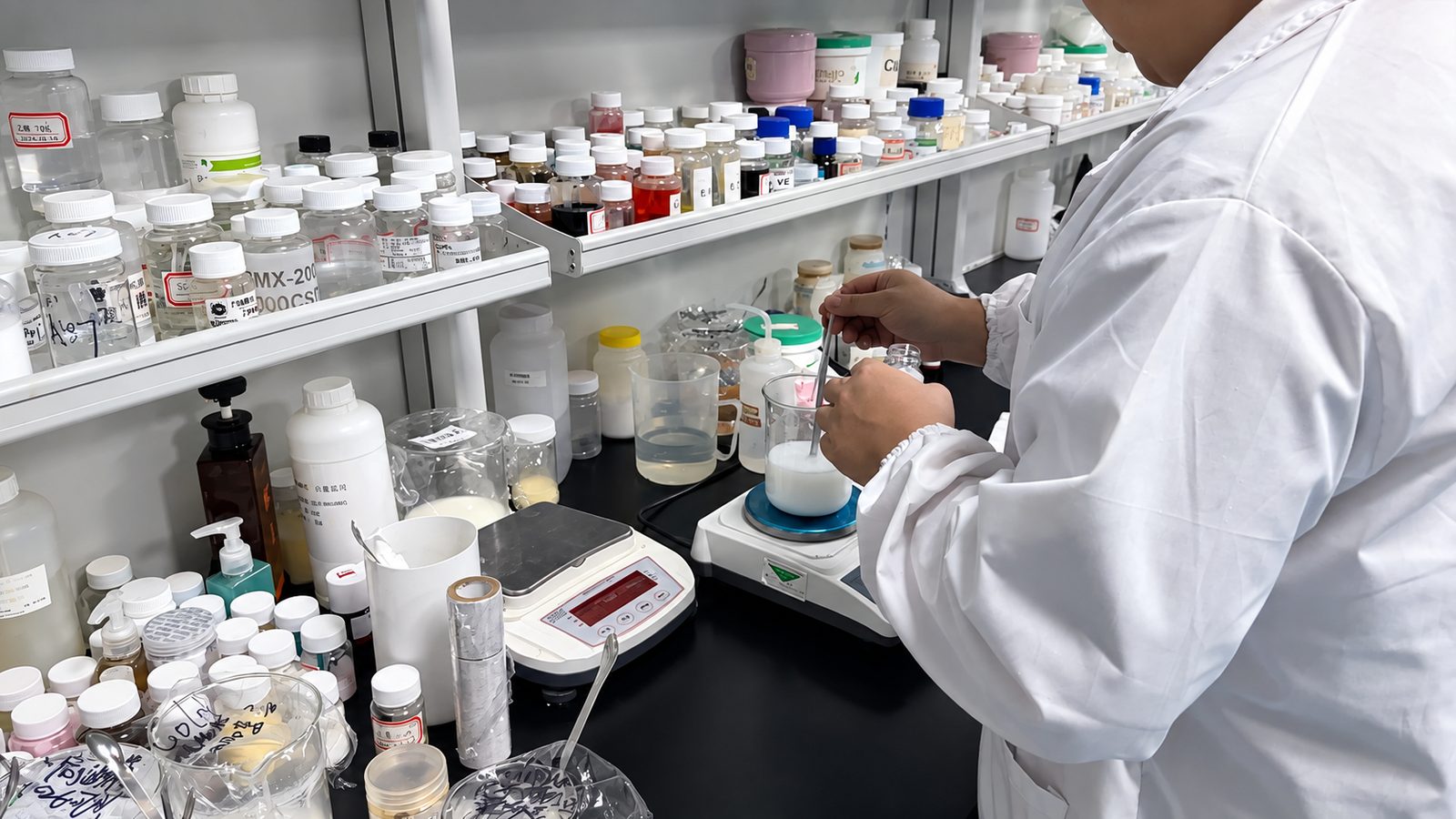
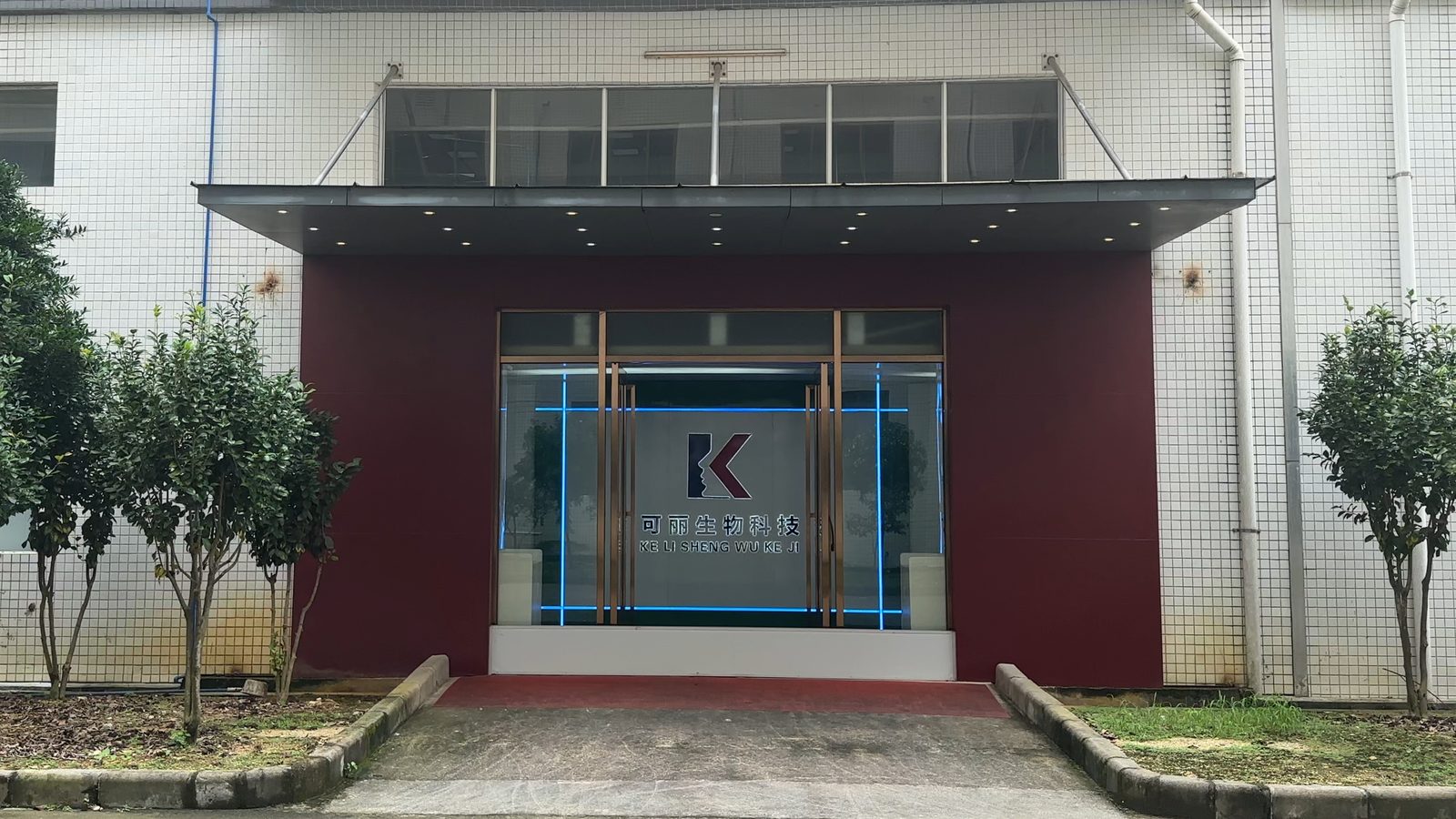
Guangzhou Keli Biotechnology Co., Ltd. is a shampoo, hair mask and body wash OEM/ODM manufacturer in Guangzhou, China, supporting both low-MOQ private label and custom formulation programmes.
Buyers who want to compare a factory with a wider product range — skincare, color cosmetics, personal care, nail and lash, and packaging materials — can source all of it in one trip at Xingfa Plaza, Guangzhou's largest beauty and cosmetics wholesale market.
Frequently asked questions
Is a low MOQ always better?
Not always. Very low MOQs mean higher unit cost and less room for customisation. For market testing, yes; for a hero product, usually not.
Can I mix different formulas in one MOQ?
Sometimes, if they share a base and can be filled in one run. Ask explicitly — it is one of the most useful concessions available.
Why do some factories quote MOQ in kilograms?
Because they are selling bulk, not finished goods. Clarify whether the quote is bulk fill, finished packed units, or both.
How much should I budget for the first order beyond unit cost?
Sampling, testing, artwork, freight, duties and registration typically add 20–40% on top of the product cost for a first import.
About the contributor
Guangzhou Keli Biotechnology Co., Ltd. is a shampoo, hair mask and body wash OEM/ODM manufacturer in Guangzhou, China, supporting both low-MOQ private label and custom formulation programmes.
Ready to price your first private label order?
Send us your target quantity, formula and packaging preference. We will reply with a quotation, MOQ options and a realistic lead time within 24 hours.